
Top Waterproofing Products for Reliable Moisture Protection
Discover the most effective waterproofing solutions designed to safeguard structures from water damage and ensure durability.
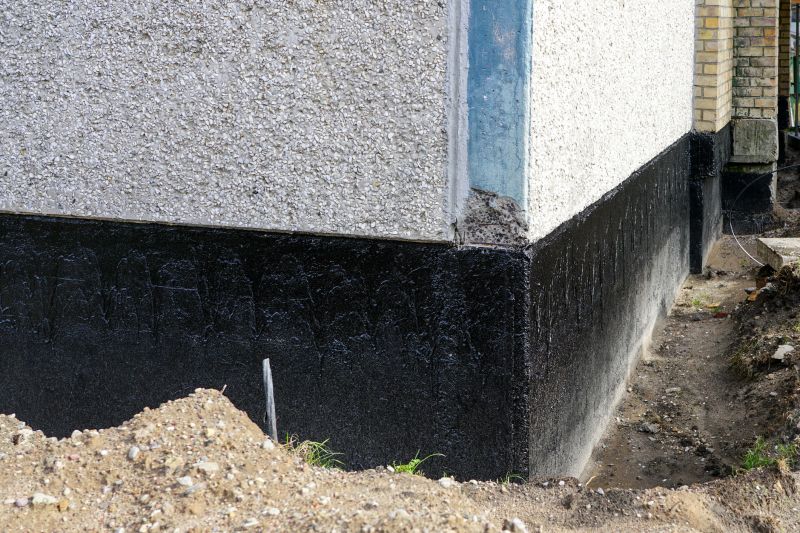 Waterproofing products are essential solutions used to protect various structures and surfaces from water intrusion and damage. Whether for residential, commercial, or industrial applications, choosing the right waterproofing materials can significantly extend the lifespan of buildings and infrastructure. These products come in multiple forms, including coatings, membranes, sealants, and barriers, each designed to address specific needs such as preventing leaks, sealing cracks, or providing moisture resistance.
Top Overall Option
Comprehensive Waterproofing Coating System
A versatile waterproofing coating system that offers a durable, flexible barrier suitable for multiple surfaces including roofs, foundations, and walls. Designed for easy application, it provides long-lasting moisture resistance and adheres well to various substrates, making it a reliable choice for both professional and DIY projects.
Types of Products For Waterproofings
Liquid Waterproofing Membranes
Flexible liquid coatings that form seamless, waterproof barriers on roofs and basements.
Sheet Membranes
Pre-formed sheets made of rubber, asphalt, or plastic used for roofing and below-grade waterproofing.
Bituminous Coatings
Asphalt-based coatings suitable for foundation walls and roofing systems.
Polyurethane Sealants
Elastic sealants ideal for filling cracks and joints to prevent water infiltration.
Cementitious Waterproofing
Waterproof coatings made from cement and other materials, often used on concrete surfaces.
Acrylic Waterproof Coatings
Water-based coatings that provide flexibility and UV resistance for roofs and walls.
Rubberized Waterproofing
Highly elastic membranes suitable for dynamic joints and movement areas.
Bitumen Roll Roofing
Self-adhesive or torch-applied rolls used mainly for flat roofs and decks.
Hydrophobic Sealants
Sealants that repel water and are used on masonry and concrete surfaces.
Self-Adhesive Waterproofing Sheets
Easy-to-apply sheets with adhesive backing for quick waterproofing solutions.
Spray-On Waterproofing
Sprayable coatings that conform to complex surfaces for comprehensive coverage.
Crack Injection Sealants
Specialized products for sealing cracks in concrete and masonry structures.
Waterproofing Paints
Paint-like coatings that add a water-resistant layer to surfaces.
Waterproofing Tapes
Flexible tapes used for patching leaks and sealing joints in various materials.
Waterproofing Admixtures
Additives mixed into concrete or mortar to enhance water resistance.
Vapor Barriers
Materials installed to prevent moisture vapor transmission through walls or floors.
Popular Choices
Widely used for their seamless application and adaptability to various surfaces.
Commonly selected for roofing and below-grade waterproofing due to their durability.
Popular for foundational and roofing applications because of their proven performance.
Favored for sealing joints and cracks in construction projects.
Often chosen for concrete structures like basements and tunnels.
Preferred for their ease of use and UV resistance on exterior surfaces.
Selected for flexible applications and dynamic joints requiring movement accommodation.
Used for masonry and concrete to repel water and prevent absorption.
Popular for complex or irregular surfaces requiring comprehensive coverage.
Commonly used to repair and seal cracks in concrete structures.
Chosen for their convenience and ability to add a water-resistant layer quickly.
For surfaces exposed to constant or intermittent moisture, selecting an appropriate waterproofing system involves understanding the environment and the material compatibility. Coatings and sealants are often applied to foundations, roofs, and walls to create a water-resistant barrier. Membranes, which can be sheet-based or liquid-applied, are frequently used in roofing and below-grade applications to ensure comprehensive waterproofing coverage.
Durability and ease of application are also important considerations. Some products are formulated for quick curing and simple application, making them suitable for DIY projects, while others are designed for professional installation to achieve maximum longevity and performance. Proper surface preparation and adherence to manufacturer instructions are crucial for optimal results, regardless of the product chosen.
In addition to traditional options, modern waterproofing solutions incorporate advanced formulations that enhance flexibility, adhesion, and resistance to environmental stressors. Regular maintenance and inspections can help identify potential issues early, allowing for timely repairs and reapplications. Overall, understanding the different types of waterproofing products and their specific applications can help ensure effective protection against water damage in various settings.
Key Buying Considerations
- Identify the specific surface and environment where waterproofing is needed.
- Determine whether a liquid, sheet, or sealant product best suits your project requirements.
- Consider the flexibility and movement capacity of the product, especially for joints and cracks.
- Assess the product's adhesion properties to ensure it bonds well with the substrate.
- Check the curing time and ease of application to match your project timeline and skill level.
- Review the product's resistance to UV, temperature fluctuations, and environmental stressors.
- Ensure compatibility with existing materials and surfaces to prevent adverse reactions.
- Evaluate the longevity and maintenance needs of the waterproofing solution.
- Look for products that offer seamless coverage to avoid weak points where water could penetrate.
- Consider the ease of reapplication or repair in case of damage or wear over time.
- Verify that the product meets relevant safety and quality standards.
- Think about budget constraints and the cost-effectiveness of different options.
- Determine if the product is suitable for interior or exterior use, or both.
- Assess the product's resistance to mold, mildew, and algae growth if applicable.
- Check for any specific application instructions or surface preparation requirements.